


Why do ships float?
1 Why not try an experiment?

You’ve probably seen this before: a stone thrown into water sinks. A piece of wood, on the other hand, floats—and so does a rubber duck. But large ships carrying heavy cargo float on the water and travel great distances across the seas. Why does a stone sink, but a ship doesn’t? An experiment can help you understand: Take a piece of modelling clay and a bucket of water. First, shape the clay into a ball. Then drop it into the water. You’ll see that it sinks. Next, shape the clay into a boat. Place it on the water, and look—it floats! You’ll find the same is true of other objects. Try to find out what floats and what doesn’t.
2 Water is displaced

Next, look at a gray paving stone. It is about 20 cm long, 10 cm wide and 8 cm high. If you throw a paving stone into the water, it sinks. But if you put the stone in a boat, the boat sinks lower in the water, yet both float. Why is that? You can find out by doing an experiment. Take a hollow container the same size as a paving stone and fill it with water. Compare their weights. The stone will be much heavier than the container filled with water. Then put the paving stone in a bucket and lower the bucket into a larger container of water. The bucket now floats and carries the weight of the stone.
But the bucket sinks down a little as it does so. It displaces a lot of water.
3 Buoyancy
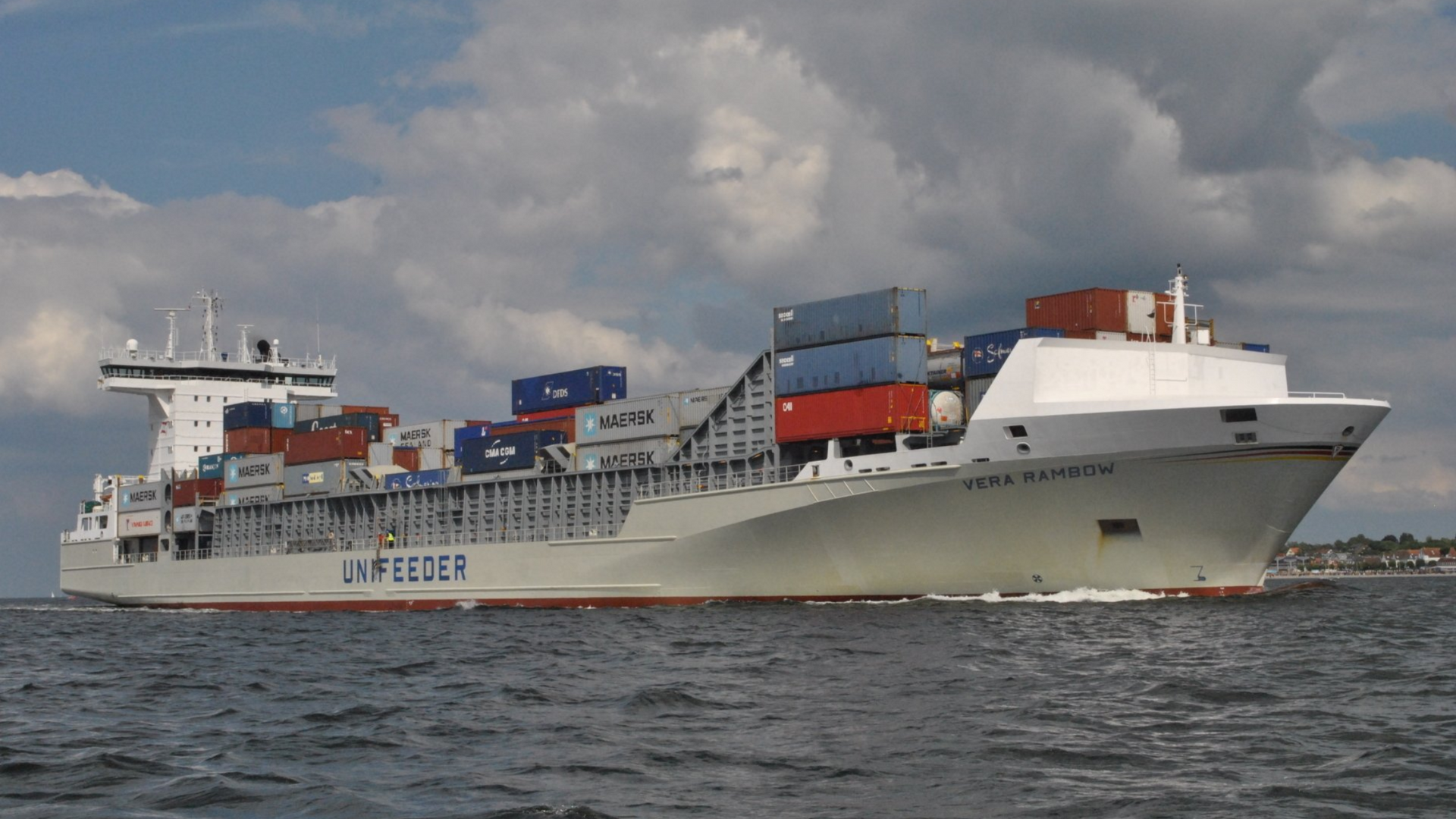
This water is now much heavier than the stone in the bucket. If we throw the stone into the water, it displaces only a little water. But the bucket displaces much more water than the stone alone. The weight of the displaced water is greater than the combined weight of the bucket and the stone. The same is true of large ships. They can travel on rivers or oceans because each ship, together with its cargo, weighs less than the water it displaces. You may have tried pushing an empty glass or bucket under water. If the glass or bucket is small, you’ll eventually succeed. But you can feel the water pushing back. You need some force to displace the water. This resistance is called buoyancy. - Images/graphics: Hamsterkiste